Intelligent Mechatronics for Medical Robots

Conference
IEEE/ASME International Conference on Advanced Intelligent Mechatronics (AIM 2026)
Date and Time
July 7, 2026, 09:00-12:45
Location
Magazzini del Cotone, Porto Antico, Genova, Italy

Workshop Introduction

To advance modern healthcare, there is a rapidly growing need for intelligent mechatronic systems that can operate reliably in complex medical environments. Medical robots are increasingly expected to assist in diagnostics, intervention, rehabilitation, and surgical workflows, offering enhanced precision, safety, and automation. However, substantial challenges remain in areas such as robot design, compliant actuation, intelligent control, multimodal sensing, robust localization in unstructured anatomy, and efficient interpretation of medical images.

This workshop will bring together researchers working across medical robot design, modeling, perception, control, soft robotics, magnetic actuation and localization, and medical image analysis. Through presentations and discussions, participants will share insights into how medical robots can achieve safer manipulation, more adaptive behaviors, better integration with human clinicians, and improved performance in delicate or constrained anatomical environments.

The workshop will serve as a collaborative platform for medical robotics researchers at all career stages to exchange ideas, accelerate technological translation, and establish interdisciplinary connections. It also aims to outline opportunities and challenges in intelligent mechatronics for medical applications.

Invited Speakers

Leonardo De Mattos

Dr. Leonardo De Mattos

Permanent Researcher and Head of the Biomedical Robotics Laboratory, Italian Institute of Technology

Leonardo De Mattos is a Permanent Researcher and Head of the Biomedical Robotics Laboratory at the Italian Institute of Technology in Genoa. He received his PhD in Electrical Engineering from North Carolina State University, where he worked at the Center for Robotics and Intelligent Machines. His research spans medical robotics, robot-assisted surgery, laser microsurgery, smart medical devices, computer vision, medical image analysis, mixed and augmented reality, biomedical sensors, systems integration, automation, usability analysis, and robotic micromanipulation. He has coordinated the European microRALP project and currently leads research on AIRCARE, robotic microsurgery, intravenous access, pediatric neurosurgery, and surgical augmented reality.
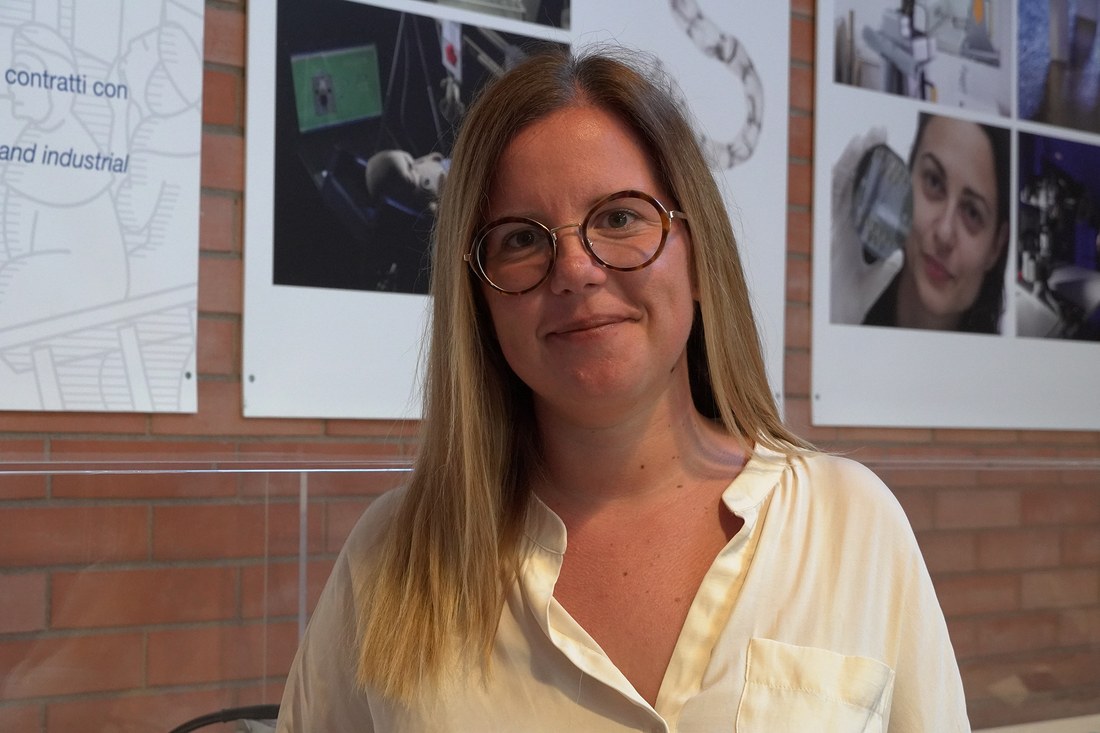
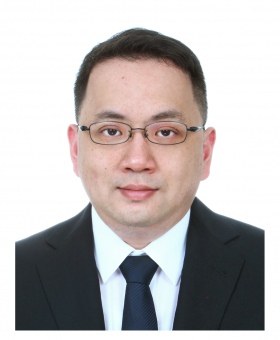
Veronica Iacovacci

Dr. Veronica Iacovacci

Associate Professor and Head of the Medical Microrobotics Lab, The BioRobotics Institute, Scuola Superiore Sant'Anna

Veronica Iacovacci is an Associate Professor at The BioRobotics Institute of Scuola Superiore Sant'Anna and Head of the Medical Microrobotics Lab. She received her MSc in Biomedical Engineering from the University of Pisa and her PhD in BioRobotics from Scuola Superiore Sant'Anna. Her research focuses on medical microrobots and implantable devices, with emphasis on programmable magnetic structures, high-resolution imaging and tracking, and wireless activation at small scales. Before leading her lab in Pisa, she carried out research at ETH Zurich and The Chinese University of Hong Kong, and received the Big On Small Award in 2024.

Chun-Yeon Lin

Dr. Chun-Yeon Lin

Associate Professor, Department of Mechanical Engineering, National Taiwan University

Chun-Yeon Lin is an Associate Professor in the Department of Mechanical Engineering at National Taiwan University. He received his PhD in Mechanical Engineering from Georgia Institute of Technology. His research interests include mechatronics, sensors, robotics, system dynamics, and control; his current research areas include eddy-current sensing, electrical impedance sensing, magnetic tracking systems, and robotic components. He serves as an Associate Editor of the International Journal of Intelligent Robotics and Applications and received the Young Robotics Engineer Award from the Robotics Society of Taiwan.

Zhuoqi Cheng

Dr. Zhuoqi Cheng

Assistant Professor, SDU Robotics, The Maersk Mc-Kinney Moller Institute, University of Southern Denmark

Zhuoqi Cheng is an Assistant Professor at SDU Robotics in The Maersk Mc-Kinney Moller Institute, University of Southern Denmark. He received his PhD at Istituto Italiano di Tecnologia and his MSc from the National University of Singapore. His research focuses on surgical and medical robotics, with interests in robotic systems, impedance-based sensing, finite-element simulation, artificial intelligence in medicine, and bioimpedance sensing. Recent work from his group connects AI-assisted bronchoscopy, robotic artery detection, optical needle-tip tracking, and medical robotics education.

Pietro Valdastri

Dr. Pietro Valdastri

Full Professor and Chair in Robotics and Autonomous Systems, University of Leeds

Pietro Valdastri is Full Professor and Chair in Robotics and Autonomous Systems at the University of Leeds. He received his Laurea degree in Electronic Engineering from the University of Pisa and his PhD in Biomedical Engineering from Scuola Superiore Sant'Anna. He directs the Science and Technologies Of Robotics in Medicine Lab, the Institute of Robotics, Autonomous System and Sensing, and the Robotics at Leeds network. His work focuses on surgical robotics, robotic endoscopy, robotic actuators, magnetic manipulation, medical capsule robots, small-scale design and manufacturing, and medical robotics. His research has been supported by major grants from agencies including NSF, NIH, ERC, EU-H2020, Cancer Research UK, The Royal Society, EPSRC, Innovate UK, ARIA, and industry; he is also a recipient of the NSF CAREER Award.

Di Wu

Dr. Di Wu

Assistant Professor, SDU Robotics and Danish Institute for Advanced Study, University of Southern Denmark

Di Wu is an Assistant Professor at SDU Robotics and a DIAS Fellow at the Danish Institute for Advanced Study, University of Southern Denmark. He earned dual PhD degrees in medical robotics from Delft University of Technology and KU Leuven through the Marie Sklodowska-Curie Actions program, after earlier research experience in medical robotics at Johns Hopkins University. His research focuses on surgical robotics, especially robot-assisted minimally invasive surgery, and brings together robotic technology, AI, augmented reality, sensing, visualization, and control to improve surgical precision and patient outcomes.

Guo Zhan Lum

Dr. Guo Zhan Lum

Associate Professor, School of Mechanical and Aerospace Engineering, Nanyang Technological University

Guo Zhan Lum is an Associate Professor in the School of Mechanical and Aerospace Engineering at Nanyang Technological University and leads the NTU Miniature Soft Robotics Lab. He received his BEng with First Class Honours in Mechanical Engineering from NTU, his MSc from Carnegie Mellon University, and dual PhD degrees through the NTU-Carnegie Mellon University program. He was a postdoctoral researcher at the Max Planck Institute for Intelligent Systems. His research focuses on miniature soft robots, magnetic miniature robots, shape-programmable millimeter-scale robots, gallium-enabled systems, flexure mechanisms, and high-precision robotic devices for advanced robotic and medical applications.

Xiangyu Wang

Dr. Xiangyu Wang

Associate Professor, College of Artificial Intelligence, Nankai University

Xiangyu Wang is an Associate Professor in the College of Artificial Intelligence at Nankai University and a Deputy Researcher at Nankai University Shenzhen Research Institute. He received his PhD in Control Science and Engineering from Nankai University, where his doctoral work focused on modeling and control methods for robotic flexible endoscopes for NOTES surgery. His research directions include natural-orifice surgical robots, embodied perception, intelligent manipulation, medical embodied intelligence, tendon-sheath transmission control, flexible endoscope robots, and flexible needle robots. He was selected for the Chinese Association of Automation Young Talent Lifting Project, and his recent honors include first prize in the 2025 Maker China intelligent bionic robot competition and recognition in the 2025 IEEE/RSJ IROS New Generation Star Project.

Progress

Time
Speaker
Topic
09:00-09:05
Welcome
09:05-09:30
Dr. Leonardo De Mattos
AI-Powered Surgical Robot for Upper Aero-Digestive Tract Microsurgery
09:30-09:50
Dr. Veronica Iacovacci
Smart Magnetic Mechanism in Medical Robotic Applications
09:50-10:10
Dr. Chun-Yeon Lin
Design of Magnetic Tracking Systems for Medical Assistance
10:10-10:30
Dr. Zhuoqi Cheng
Portable Semi-Autonomous Robotic System for Femoral Artery Access
10:30-11:15
Tea Break
11:15-11:40
Dr. Pietro Valdastri
Lifesaving Soft Magnetic Surgical Robots
11:40-12:00
Dr. Di Wu
From Perception to Precision: AI-Powered Sensing and Control for Continuum Surgical Robots
12:00-12:20
Dr. Guo Zhan Lum
Highly Functional Miniature Robots: Towards Transformative Medicine
12:20-12:40
Dr. Xiangyu Wang
Autonomous Operation Technology for Robotic Flexible Endoscopy
12:40-12:45
Summary

Organizers

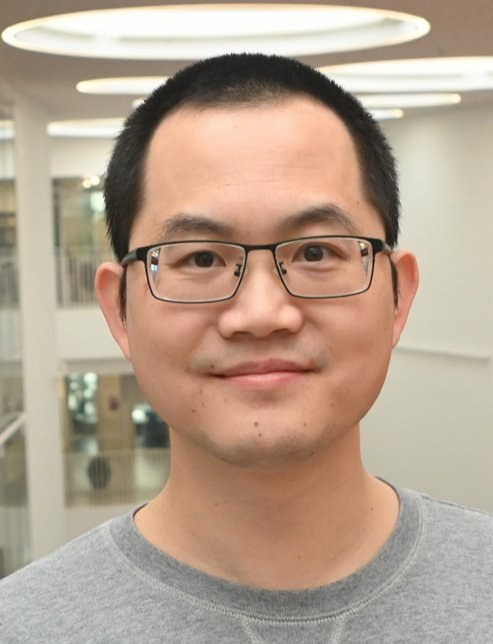
Dr. Zheng Li

Professor, Department of Surgery, The Chinese University of Hong Kong

lizheng@cuhk.edu.hk

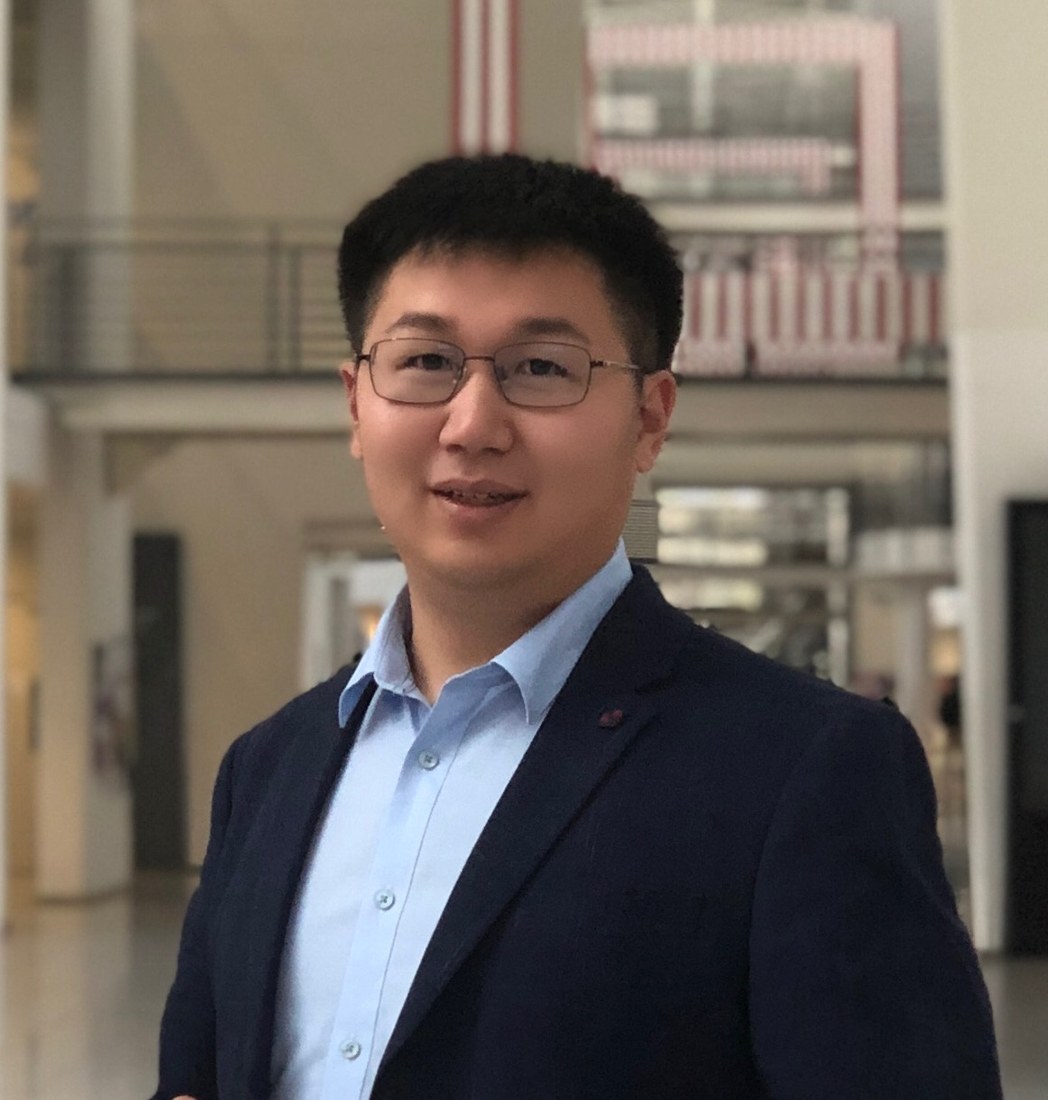
Dr. Zhenglong Sun

Assistant Professor, School of Science and Engineering, The Chinese University of Hong Kong, Shenzhen

sunzhenglong@cuhk.edu.cn

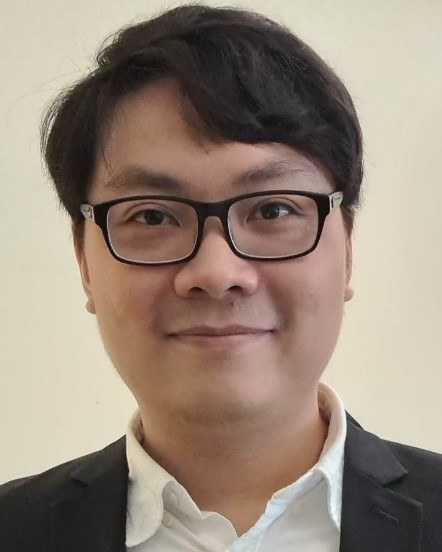
Dr. Kun Bai

Professor, School of Mechanical Science and Engineering, Huazhong University of Science and Technology

kbai@hust.edu.cn

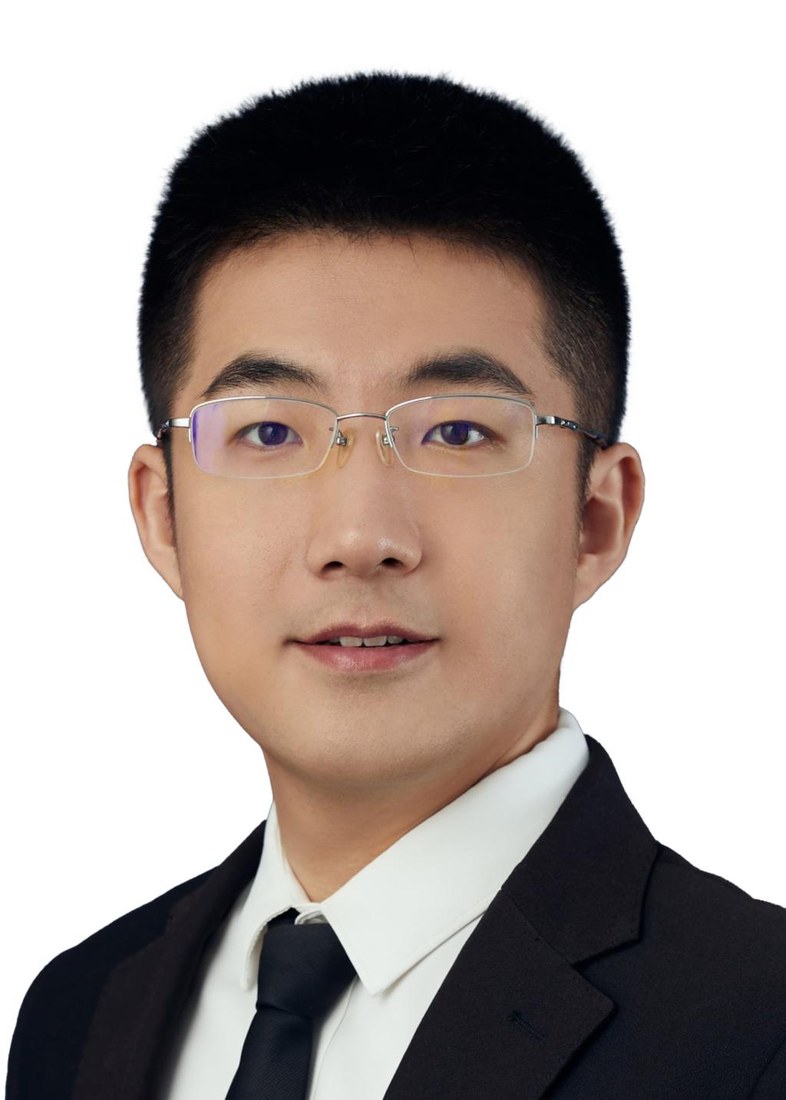
Dr. Jiajie Guo

Professor, Institute of Medical Equipment Science and Engineering, Huazhong University of Science and Technology

jiajie.guo@hust.edu.cn

Dr. Ruoyu Xu

Research Assistant Professor, Department of Surgery, The Chinese University of Hong Kong

ruoyuxu@cuhk.edu.hk